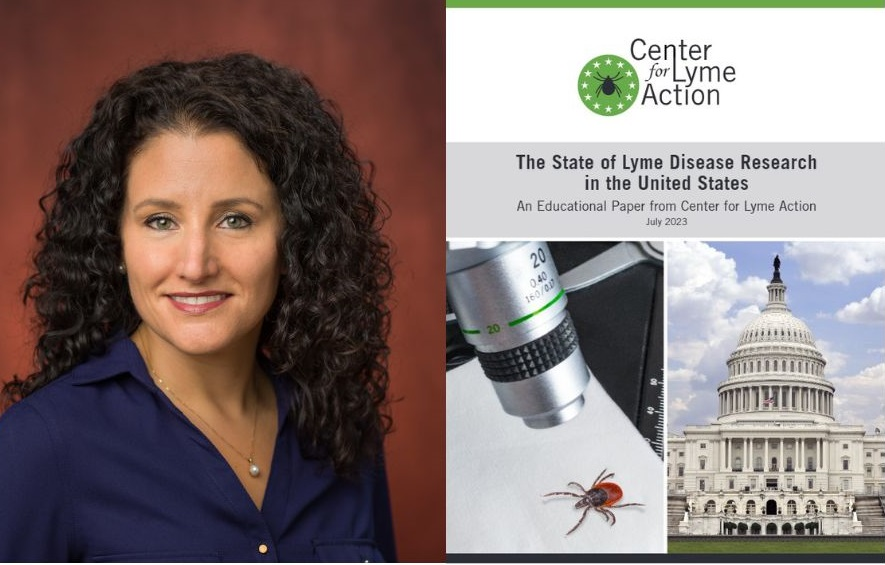
Making sense of Lyme Research – What does the Science say?

xr:d:DAFpGGzOAYo:7,j:3017808786848335739,t:23071918

Making Sense of Lyme Research – What Does the Science Say? When I finally realized that my husband’s early-onset Alzheimer’s was caused by Lyme disease and other co-infections, I tried to use my engineering background to make sense of it all.   I very quickly found myself lost. An excerpt from my memoir about our… Continue reading Making sense of Lyme Research – What does the Science say?

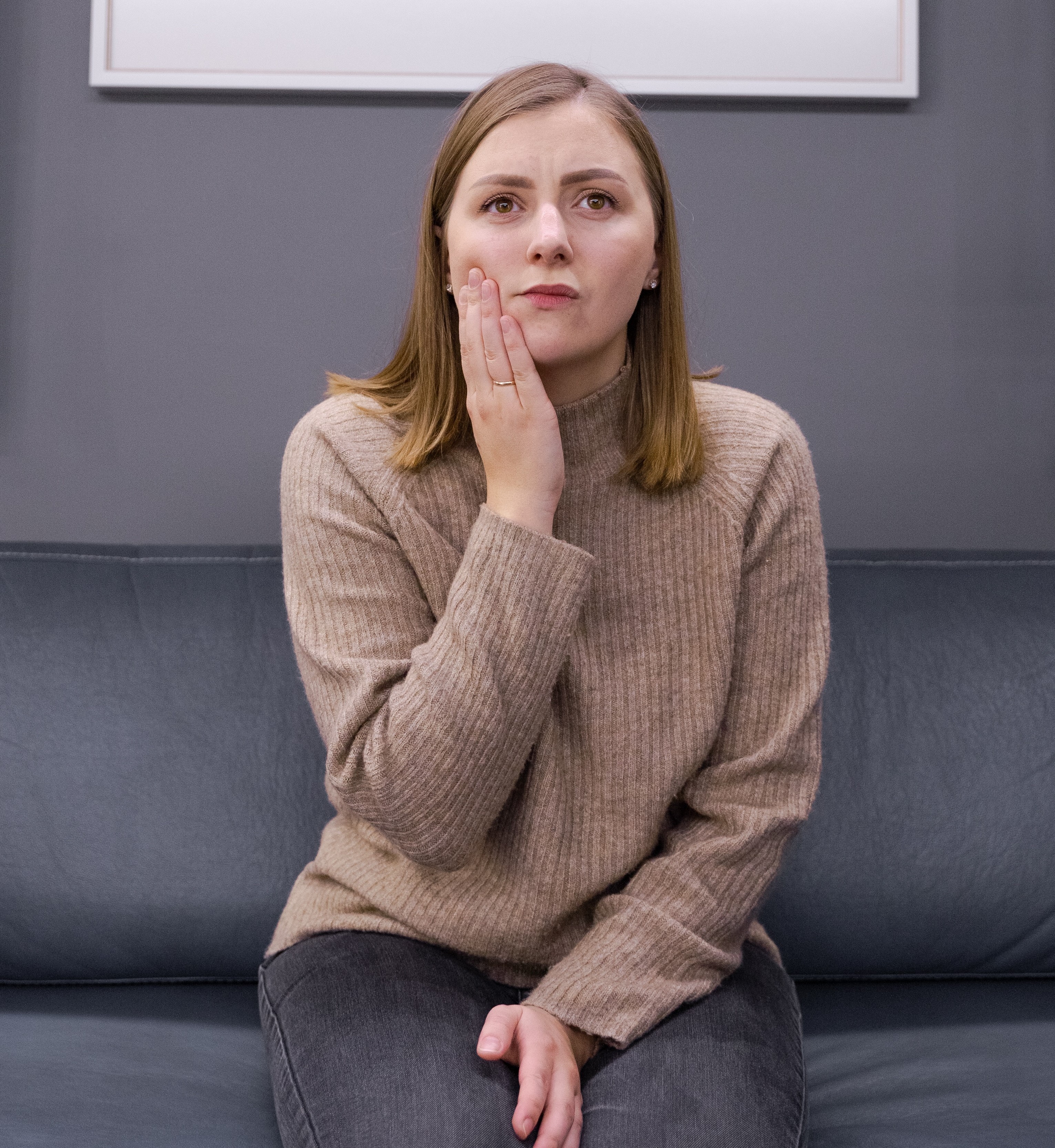
Bell’s Palsy and Lyme Disease

Worried about finals, Sarah wasn’t sleeping and had become a bit run down. She had noticed a cold sore the week before, but that always occurred around finals. One day, she woke up and her face felt a little numb. The next day, her eye was dry and her smile didn’t quite look right. By… Continue reading Bell’s Palsy and Lyme Disease

The Infectious Dose of Pathogens and Transmission Risk

The likelihood that a pathogen will overwhelm the immune system and cause a person to become ill has to do with the dose of the exposure. Scientists have explored the dose of exposure in a variety of infectious diseases such as Lyme borreliosis and – most recently – COVID-19. Scientists are learning more about how… Continue reading The Infectious Dose of Pathogens and Transmission Risk

Bartonella vs. Borrelia: Key Differences You Should Know

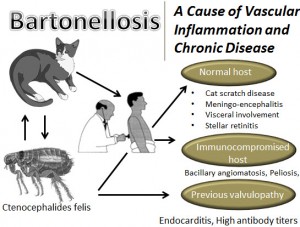
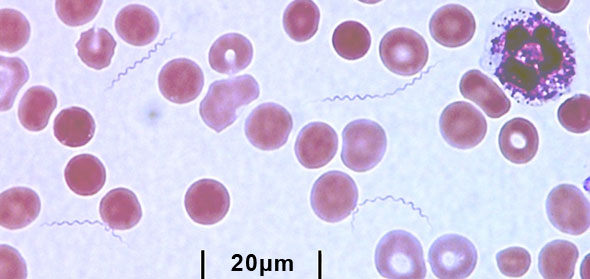
Bartonella and Lyme Borrelia are easily confused because they are both vector-borne bacteria with similar sounding names and frequently have complex, interrelated roles in chronic illnesses. Patients often believe Bartonella and Borrelia are the same before speaking to us, or they may mistake something they read online about one for the other. In this post, we are going to describe some unique characteristics that distinguish these bacteria from each other.

“Herxing”: Why does it occur?

The Jarisch-Herxheimer reaction (JHR), or “herxing”, was first described by physicians in the late 1800s. Patients who experience this phenomenon report an increase in non-specific symptoms shortly following initiation of antibiotic treatment. These symptoms include chills, fever, headache, and/or intensification of skin rashes. Despite being described more than a century ago, it is still difficult… Continue reading “Herxing”: Why does it occur?

How Vector-Borne Diseases Impact Heart Health

Both bartonellosis and Lyme disease are associated with dangerous heart conditions that can be fatal in some cases. According to the CDC, 11 cases of fatal Lyme carditis have been reported between 1985 and 2019, however, researchers suspect there are more undetected cases. The heart has three critical aspects that can be affected by disease:… Continue reading How Vector-Borne Diseases Impact Heart Health