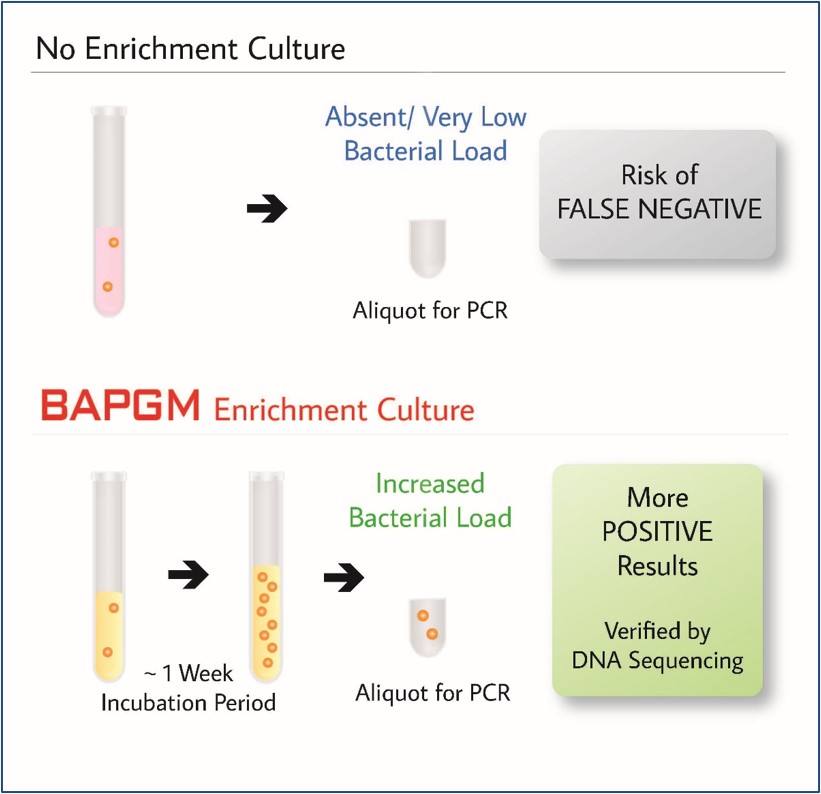
Leaders in Direct Detection of Hard-to-Detect Pathogens

Harnessing the Power of Sample Enrichment Slow-growing, immune-evasive pathogens present a particular challenge for scientists developing diagnostics for confirmation of infection. These elusive microbes often fly under the radar, evading direct and indirect detection using standard testing methods. From a clinical perspective, documentation of low abundance infection presents a significant false negative problem and may… Continue reading Leaders in Direct Detection of Hard-to-Detect Pathogens

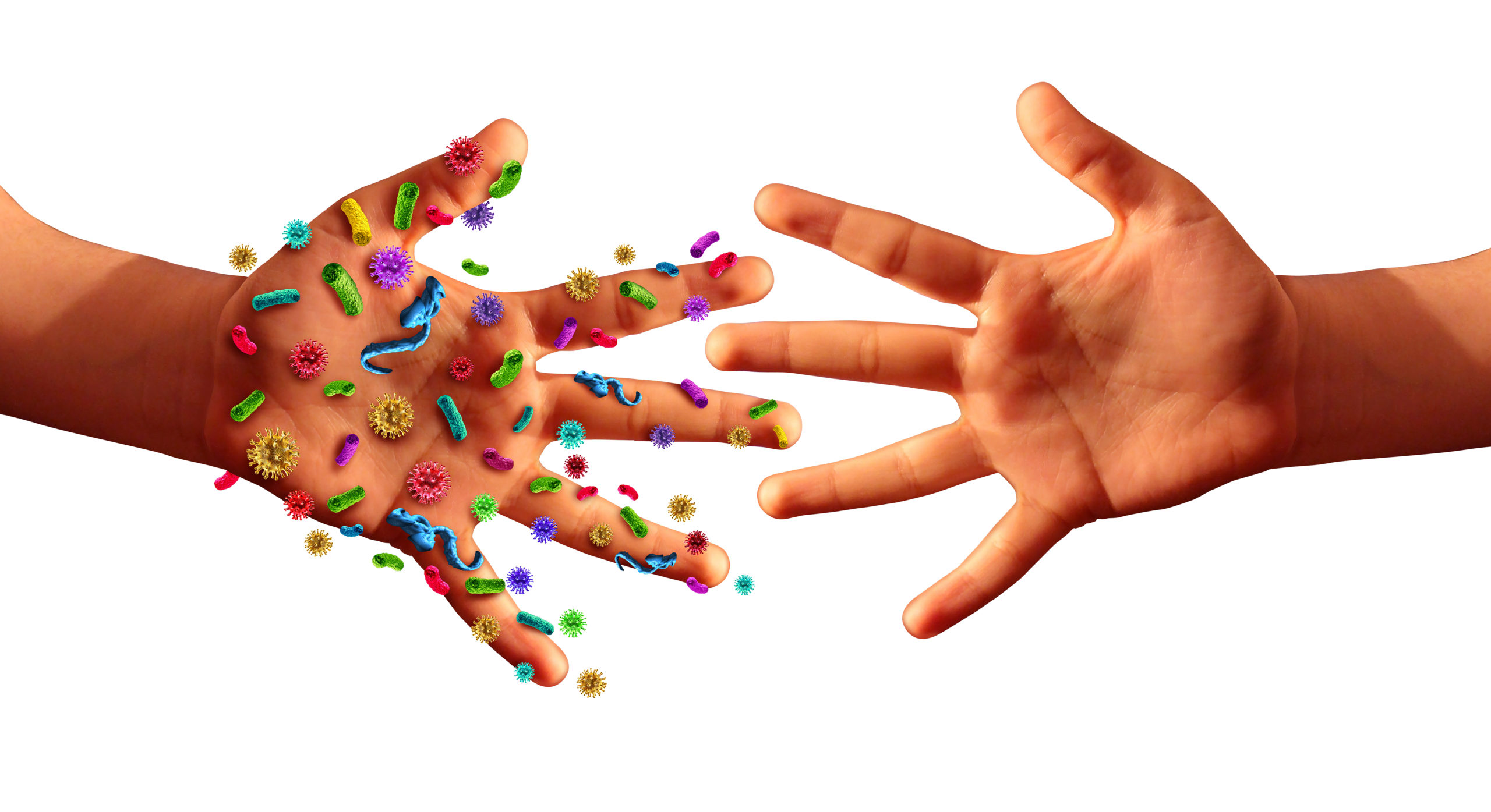
The Infectious Dose of Pathogens and Transmission Risk

The likelihood that a pathogen will overwhelm the immune system and cause a person to become ill has to do with the dose of the exposure. Scientists have explored the dose of exposure in a variety of infectious diseases such as Lyme borreliosis and – most recently – COVID-19. Scientists are learning more about how… Continue reading The Infectious Dose of Pathogens and Transmission Risk

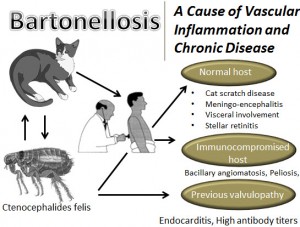
Bartonella vs. Borrelia: Key Differences You Should Know

Bartonella and Lyme Borrelia are easily confused because they are both vector-borne bacteria with similar sounding names and frequently have complex, interrelated roles in chronic illnesses. Patients often believe Bartonella and Borrelia are the same before speaking to us, or they may mistake something they read online about one for the other. In this post, we are going to describe some unique characteristics that distinguish these bacteria from each other.

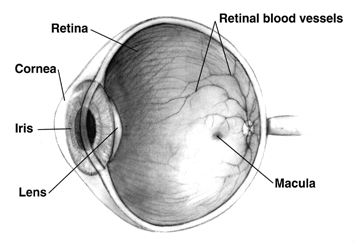
Keep an “Eye” Out for Bartonella Infections

Patients with Bartonella species infection (bartonellosis) complain of a variety of nonspecific vision problems that can affect every function of

Bartonella and the Brain

People with vector-borne infections often report a variety of symptoms that originate in the central nervous system. How can all of these different pathogens have so many symptoms that overlap? As Galaxy Diagnostics president and CEO Amanda Elam wrote in her 10-year reflection, “our bodies are complex biological systems with only a few ways to… Continue reading Bartonella and the Brain

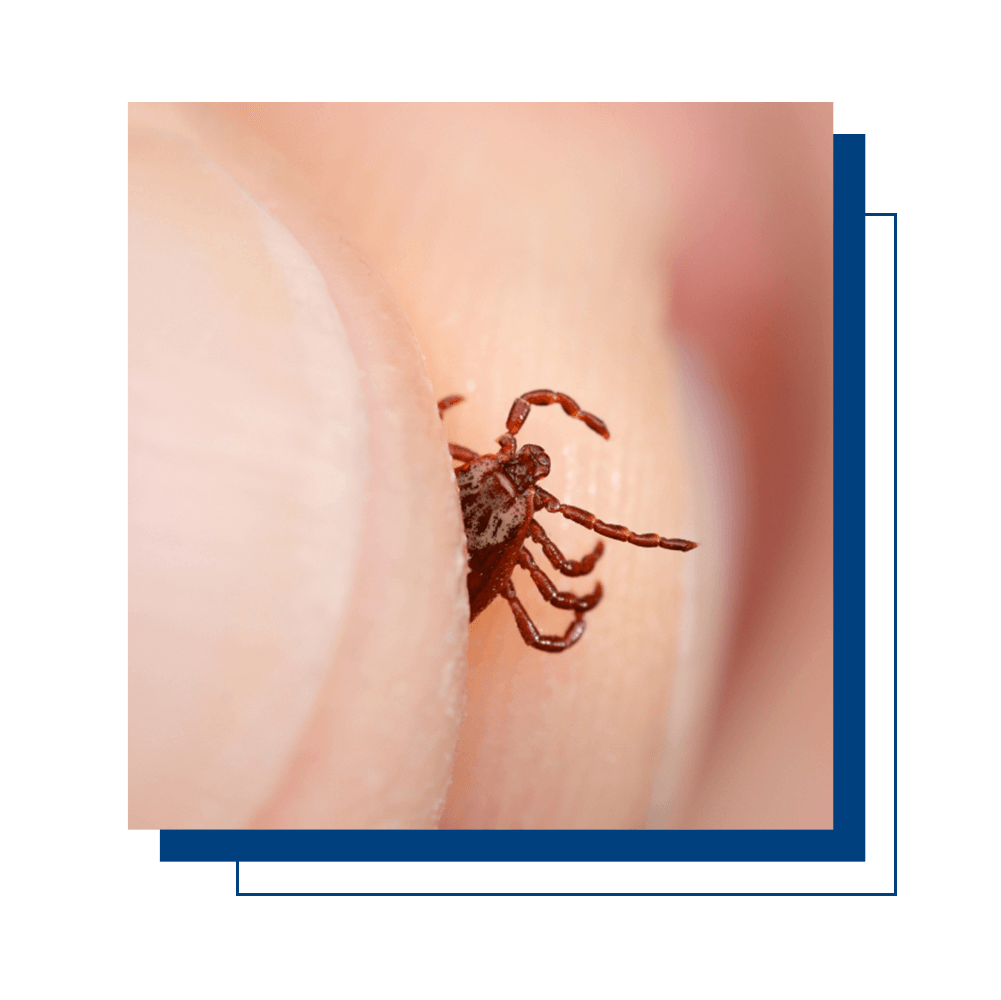
Vector-Borne Disease and Skin: Your First Layer of Defense

Skin is the largest human organ. It is also the first place that flea and tick-borne pathogens encounter the human immune system. While some skin symptoms are signature markers for specific pathogens or families of pathogens, others provide hard-to-interpret clues that can be linked to a wide variety of diseases. Lyme borreliosis and bartonellosis are… Continue reading Vector-Borne Disease and Skin: Your First Layer of Defense